




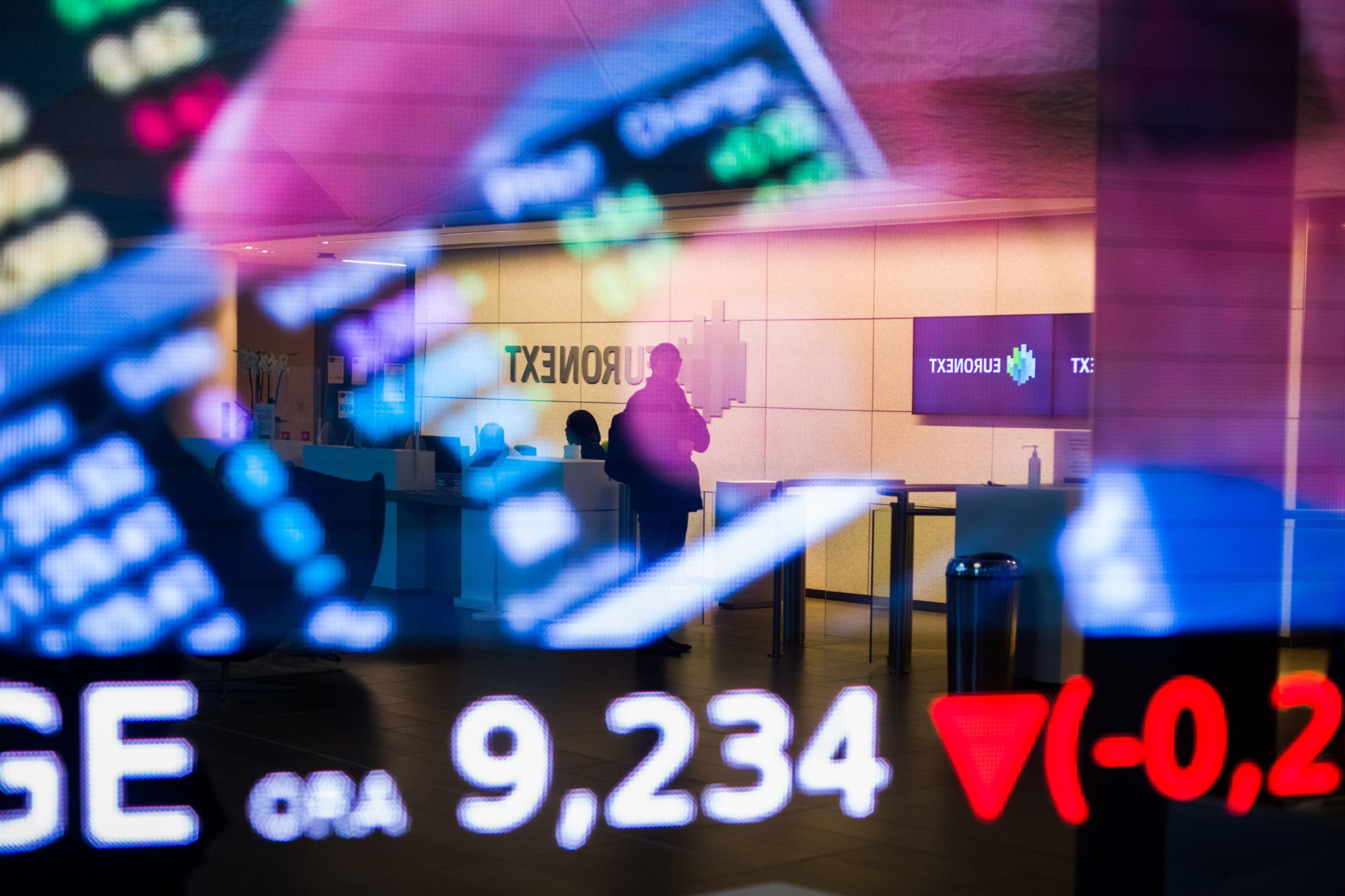
A benchmark of the region’s stocks headed for the highest close since April, supported by Hong Kong-listed technology companies, which surged more than 3%. Equities also rose in South Korea, along with US and European futures. Japan’s Topix index erased earlier gains as the yen strengthened.
Markets in Australia are closed for a national holiday, as are those in India, which have been rocked by US short seller Hindenburg Research targeting the Adani Group with accusations of manipulation and fraud. Mainland China markets remain closed.
A number of dollar bonds issued by the Adani Group declined further on Thursday. Among the top losers were Adani Ports and Special Economic Zone’s 2024 notes, which posted the biggest single-day drop since April 2020.
Gains posted this week in US-listed Chinese stocks and the S&P 500 added to the updraft for Hong Kong equities. Also supporting sentiment in Asia, holiday travel and box office data in China showed signs of recovery as people took advantage of Beijing’s pivot away from its Covid-Zero policy.
Nomura Holdings equity strategist Chetan Seth said he remained tactically bullish on China stocks and expected stocks in Hong Kong to persist “on the stronger side”. China’s economic improvement may take place over around seven to eight months, according to Seth. “That means as far as the stock market is concerned, at least for the next three to four months, the recovery reopening trade will probably sustain,” he said on Bloomberg Television.
The dollar’s weakness may also help the region, along with speculation that the Federal Reserve may be getting closer to pausing its rate-hike cycle. The Bank of Canada, which led its global peers in raising rates rapidly last year, has now indicated it will hold steady.
Treasuries were little changed in Asian trading. An auction of five-year Treasury notes on Wednesday extended a winning streak, reflecting robust investor appetite for US government debt.
Owning bonds, particularly Treasuries, has become attractive again as either a hedge against recession, and/or to provide income, according to Marvin Loh, senior global macro strategist at State Street. “Locking in these yields is something that ultimately is proving attractive to a lot of investors who might have been short a lot of these securities after the volatility and the challenging world we had last year,” he said on Bloomberg Television.
In the US stock market overnight, earlier losses were mostly recovered, as attention shifted from Microsoft’s dire sales warning to Tesla’s earnings report after the closing bell.
Elon Musk’s electric-vehicle giant whipsawed in late trading before gaining more than 5%. International Business Machines delivered an upbeat annual sales forecast while announcing it would eliminate about 1.5% of its global workforce, following similar job cuts by many of its tech peers.
“The push-and-pull of bulls and bears continues, with technology earnings the latest data point to energise the bears, though the positive momentum, continued heavy scepticism of the rally and the attractiveness of several areas of the markets could break equities out to the upside,” said Mark Hackett, chief of investment research at Nationwide.
The S&P 500 is headed for the best January since 2019 driven by expectations that the Fed will moderate its rate hikes. The equity rebound came just as the economy is headed for a downturn – setting the stage for a selloff, JPMorgan Chase’s Marko Kolanovic told CNBC.
The New York Stock Exchange said a manual error tied a backup system caused Tuesday’s wild price swings and trading halts for hundreds of company stocks.
On the monetary front, the Bank of Japan released a summary of opinions of its latest board meeting, with one member saying it needs a policy assessment at some point in the future.
The yen led gains against the dollar among G10 currencies. Benchmark 10-year government bond yields rose half a basis point while remaining well below the BOJ’s 0.5% ceiling.
The won was little changed after data showed South Korea’s economy in the last quarter shrank for the first time since the beginning of the pandemic on falling exports and consumer spending.
Elsewhere, oil rose on bets of stronger Chinese demand and as a weaker dollar made commodities more attractive for many buyers. Gold was little changed. BM/DM
This article is more than 3 years old
Business Maverick
Asian equities advance as Hong Kong traders return: markets wrap
Asian shares climbed as Hong Kong traders returned from Lunar New Year holidays amid a positive tone for risk-taking, with a gauge of dollar strength near a nine-month low and hopes for a pause in interest rate hikes.
Comments
Scroll down to load comments...