




This is a modal window.
The US economy expanded at a robust pace in the third quarter as household purchases accelerated ahead of the election and the federal government ramped up defense spending. A closely watched measure of underlying inflation rose 2.2%, roughly in line with the Federal Reserve’s target.
“Solid but not blistering growth fits nicely within the current economic backdrop,” said Bret Kenwell at eToro. “Too hot of a print and investors would likely question the Fed’s decision to cut rates by 50 basis points in September, while a weak print could reignite worries about a deteriorating economy.”
Kenwell says investors should cheer for strong economic data — even if that means slower-than-expected rate cuts from the Fed.
“It’s far better to have a strong economy and earnings driving stocks higher rather than hopes of easing monetary policy from the Fed,” he said.
The S&P 500 rose 0.3%. The Nasdaq 100 fell 0.1%. The Dow Jones Industrial Average added 0.5%. Homebuilders rallied as pending home sales in the US saw their biggest gain since 2020. Visa Inc. climbed on solid results. Eli Lilly & Co. got hit after lowering its guidance amid lackluster sales of its weight-loss drug.
Bond traders trimmed bets on policy easing after Wednesday’s economic reports. Treasury two-year yields, which are more sensitive to imminent Fed moves, rose five basis points to 4.14%.
Oil rebounded after a two-day decline on tightening US crude stockpiles and the prospect of more attacks in the Middle East.
The US stock market’s fundamental flows are turning increasingly bullish, which should give equities a fresh jolt once the US election is out of the way.
The elements of a rally are building up — stocks are entering a historically strong season and companies are starting to buy back shares. Investors may be over-hedged for the series of earnings, US election and central bank risks looming through early November. And with market volatility declining from the early-August high, systematic investors and options desks may be forced to snap up stocks.
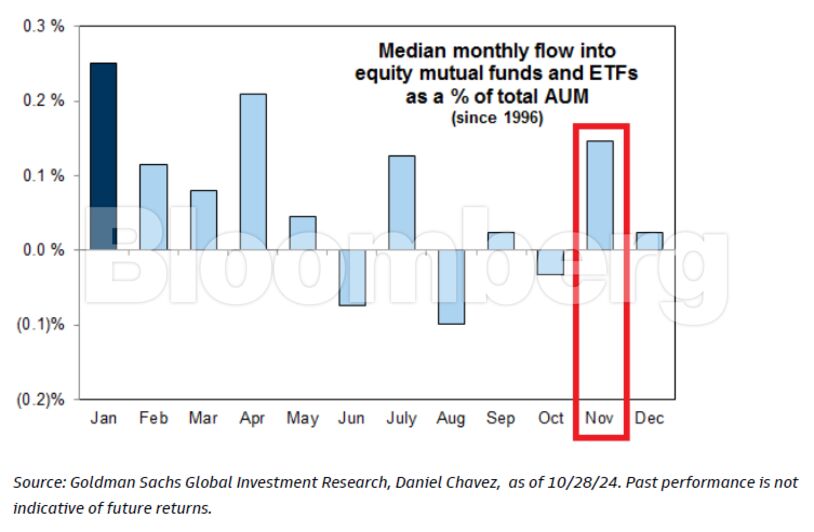
Selling by mutual funds — typically the biggest offloader of stocks — is fading into the end of the month. That’s set to reverse, with November typically seeing inflows into equities, while at the same time the corporate buyback window is re-opening with an estimate of $6 billion of buying every single day in November, according to Scott Rubner, a managing director for global markets and tactical specialist at Goldman Sachs.
“Animal spirits” could return to markets in the wake of the US election, Barclays Plc strategists led by Emmanuel Cau wrote in a note, saying as investors appear to be in “wait-and-see” mode into the vote.
Equity inflows were steady in October with caution remaining under the hood and volumes low. The strategists say that hedge funds and systematic strategies added to their equity positions in October, after largely being on the sidelines in September.
While US stocks may be rising ahead of a potential victory for Donald Trump in next week’s US election, strategists at Citigroup Inc. say a clean sweep for the Republican party will be a signal to sell.
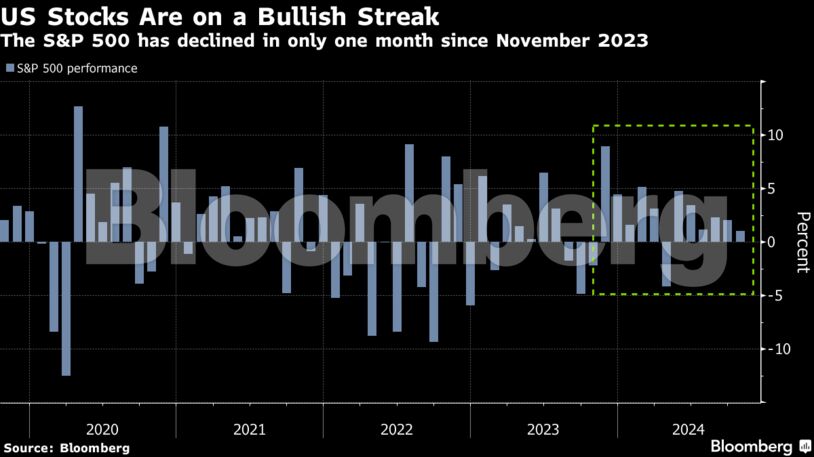
A Trump win is generally seen as good news for stocks because his proposals to lower corporate taxes would likely benefit company earnings. The Citi strategists argue, however, that the “near-euphoric sentiment” that’s driving the S&P 500 toward a sixth straight month of gains is leaving it ripe for a pullback.
Meantime, JPMorgan Chase & Co. strategists said earnings downgrades are dominant across the world, a backdrop that would rarely support equity prices.
Strategists led by Khuram Chaudhry noted that while global equity indexes continue to trade near all-time highs, equity sentiment seems to have peaked and is now mean-reverting, with positive sentiment very likely to dwindle as global consensus earnings downgrades increase.
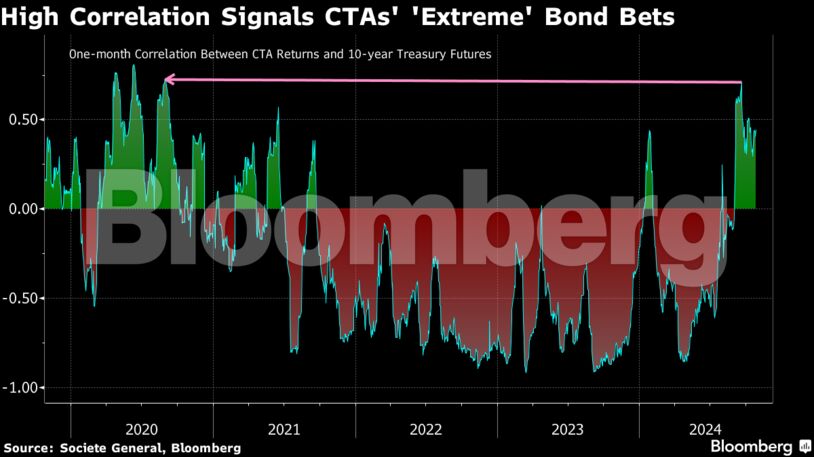
This month’s rout in Treasuries is hammering trend-chasing quant investors who had built up bullish positions in bonds, the latest setback for a strategy that has misfired badly at times this year amid market convulsions.
The quants, known as commodity trading advisers, seek to profit from momentum in assets such as bonds, stocks and currencies. Most recently, they piled into wagers that US government debt would keep rallying as the Fed launched interest-rate cuts, amassing the largest long positions in three years as of late September, according to data compiled by Deutsche Bank AG.
“The year of the whipsaw continues,” said Andrew Beer, founder of Dynamic Beta Investments, a firm that runs funds that replicate strategies made by CTAs and hedge funds. “Just as CTAs load up on a trend, it reverses.”
Corporate Highlights:
Key events this week:
Some of the main moves in markets:
Stocks
Currencies
Cryptocurrencies
Bonds
Commodities
This article is more than a year old
Business Maverick
Stocks Climb on ‘Solid, But Not Blistering’ US Growth
A rally in most big techs drove stocks higher, while data showing the world’s largest economy is holding up bolstered the outlook for Corporate America.
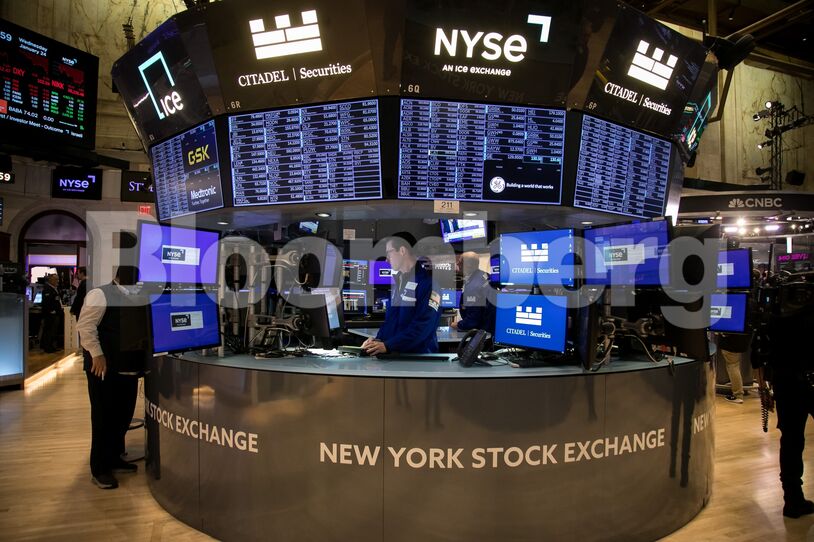
Stocks rise after solid data.
The media could not be loaded, either because the server or network failed or because the format is not supported.
Comments
Scroll down to load comments...